Digital visibility for small business means your company appears active, accurate, and trustworthy where customers actually search, especially on Google, Maps, and key social platforms. The fastest way to improve it is to review your presence monthly, publish consistent Google Business Profile updates, and use a small business marketing system that keeps your business visible without relying on manual posting.
If you are wondering whether your business is actually showing up where customers look, April is a smart time to check. By this point in the year, many businesses have posted a few times, updated a few things, and then gone quiet. That creates a gap between what you know about your business and what potential customers see when they search for you.
This is where digital visibility for small business becomes practical, not theoretical. You do not need a full brand overhaul to improve visibility. You need to know whether your business looks current, credible, and easy to choose across the places customers check before they call, click, or visit.
What an April visibility check actually measures
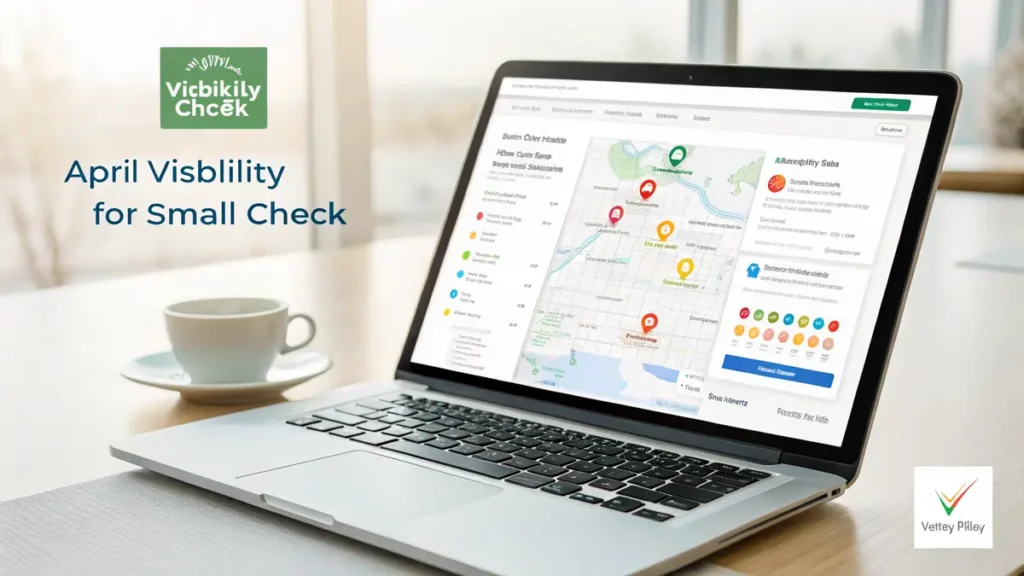
An April visibility check is not just about whether your website exists or whether you posted on Instagram last week. It measures whether your business is visibly active in the channels that influence customer decisions.
When someone hears about your business, they usually do a quick validation search. They may Google your name, check your Google Business Profile, scan your reviews, look at your latest photos, or open one social profile to see if you still appear active. If those touchpoints look outdated, thin, or inconsistent, your visibility weakens even if your service is excellent.
A useful visibility check looks at three things:
- Accuracy: Are your hours, contact details, services, and links correct?
- Activity: Does your business show recent signs of life?
- Alignment: Do your website, Google listing, and social platforms tell the same story?
If one of those is missing, customers may hesitate. They may not even contact you to ask questions. They simply move on to a business that appears easier to trust.
Where customers actually look before they contact you
Many small businesses still assume customers mainly judge them by their website. In reality, your website is only one checkpoint. Customers often build trust through a sequence of quick impressions across multiple platforms.
The most common places they look are:
- Google Search: to confirm your business exists and see what appears first
- Google Maps and your listing: to check location, reviews, hours, photos, and relevance
- Social profiles: to see whether you are active and legitimate
- Your website: to understand your offer and next steps
This is why visibility is not solved by one isolated tactic. You can have a good website and still look inactive overall. You can post on social media and still miss local search opportunities. You can have reviews but no recent updates, which makes your business look neglected.
If you want a stronger local presence, your Google Business Profile visibility deserves special attention because it often becomes the first impression for local intent searches.
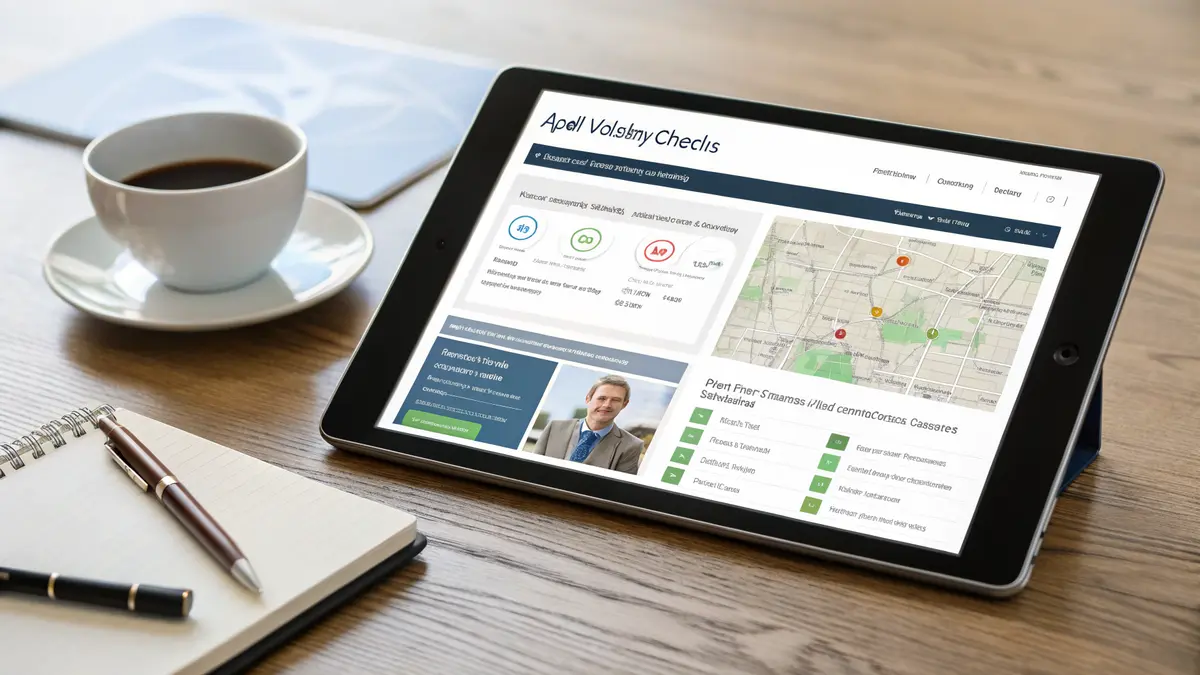
The most common visibility gaps small businesses miss
Most visibility problems are not dramatic. They are small gaps that quietly reduce trust.
Here are the most common ones:
- Outdated Google Business Profile details such as old hours, missing services, or weak photos
- No recent posts or updates on Google or social platforms
- Inconsistent branding or messaging between your website and profiles
- Broken or missing links that make it harder to contact or book
- Thin proof signals like few reviews, old images, or no visible examples of your work
These issues matter because customers interpret silence as risk. They do not know whether you are busy, inactive, outdated, or simply not paying attention. That uncertainty lowers response rates.
This is especially common when marketing is handled manually. You post when you remember, update profiles when something changes, and fix visibility issues only after noticing a problem. The result is a business that may be real and reliable behind the scenes but looks inconsistent online.
How Google Business Profile updates affect local discovery
Google Business Profile updates are one of the easiest ways to improve how current your business appears. They help customers see that you are active, and they give Google more fresh context about your business.
That does not mean posting for the sake of posting. It means using updates strategically. Share service highlights, seasonal reminders, offers, helpful tips, recent work, or business news that supports local relevance. Even simple updates can strengthen your profile when they are consistent and aligned with what customers need.
A stronger profile can help in several ways:
- It makes your listing look maintained and trustworthy
- It gives searchers more reasons to click or call
- It supports your visibility in Maps and branded searches
- It reinforces the services and categories you want to be known for
If your profile has been quiet for months, this is one of the first places to act. You can also review Google Business Profile guidance directly to confirm best practices and available features.
The key is consistency. One update in April will not fix a year of inactivity, but a repeatable process will.
Why a small business marketing system matters more than random posting
This is where many businesses get stuck. They know they need to be visible, but they do not have time to keep every platform active. So visibility becomes reactive. You post when there is a promotion, update Google when you remember, and let weeks pass in between.
That is why a small business marketing system matters more than occasional effort. A system turns visibility into a routine instead of a rescue mission.
A good system should help you:
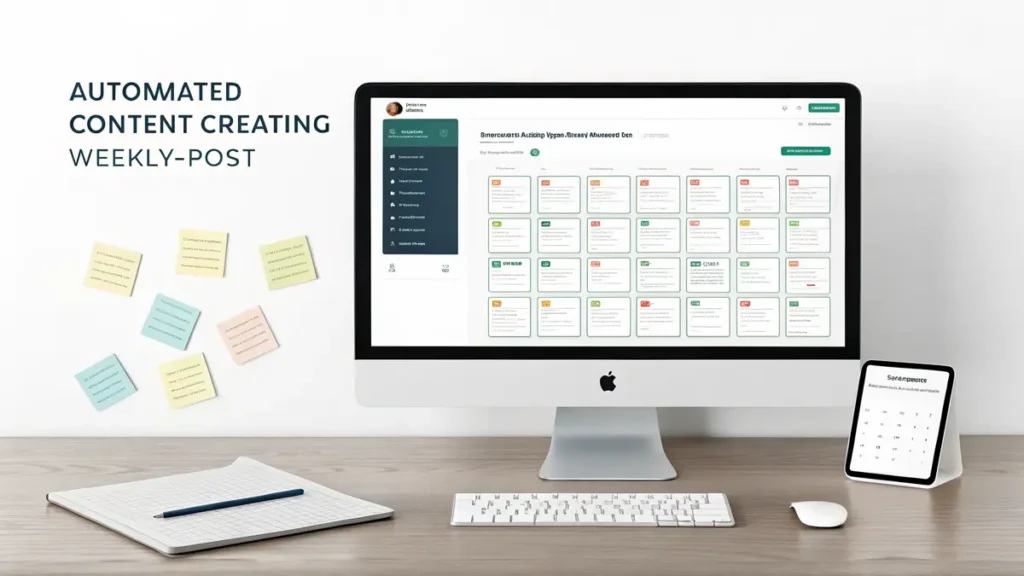
- Turn one idea into multiple platform-ready updates
- Keep posting consistent without daily manual work
- Support both social visibility and search visibility
- Reduce the risk of going silent during busy periods
In other words, the goal is not more content for its own sake. The goal is reliable presence where customers already look. If you want to see how the system works in practice, the right setup should make visibility easier to maintain, not harder.
For many small businesses, this is the difference between looking active all year and disappearing every time operations get busy.
Your simple April action plan to improve visibility
If you want to improve visibility this month, keep it simple and focused. You do not need to fix everything at once. You need to remove the biggest trust gaps first.
- Search your business like a customer would. Look at what appears on Google, Maps, and your main social profiles.
- Update your core details. Confirm hours, phone number, website link, services, and business description are accurate everywhere.
- Refresh your Google Business Profile. Add recent photos and publish a relevant update.
- Check your last 30 to 60 days of visible activity. If your business looks quiet, plan a catch-up sequence.
- Create a repeatable workflow. Decide how updates will continue after April so visibility does not fade again.
This final step matters most. A visibility check is useful, but only if it leads to a sustainable process. If you are comparing options, reviewing marketing system packages can help you understand what level of support makes sense for your stage of growth.
You do not need a louder brand. You need a more visible one. When your business looks active, current, and easy to trust across search and social, customers have fewer reasons to hesitate.
If maintaining that visibility manually keeps slipping down your list, a system like SynqBrand can help by turning your ideas into consistent multi-platform activity, including blog and Google Business Profile updates, without adding another weekly task to your plate. If that sounds useful, you can get started when you are ready.
TL;DR
If your business is hard to find on Google, Maps, social platforms, or recent search results, you likely have a visibility problem rather than a demand problem. An April visibility check helps you review whether your business looks active, current, and trustworthy where customers actually search. The fastest improvements usually come from consistent Google Business Profile updates, aligned business information, and a small business marketing system that keeps your presence active without relying on manual effort.
- Digital visibility for small business depends on being present and active in the places customers check first.
- Google Business Profile updates are one of the clearest signals that your business is current and relevant.
- Inconsistent posting often creates trust gaps even when your service is excellent.
- A small business marketing system is more effective than occasional manual marketing bursts.
- A monthly visibility check can reveal simple fixes that improve discovery and response rates.
How often should you check your business visibility online?
A quick review once a month is usually enough for most small businesses. Check your Google Business Profile, recent posts, business details, reviews, and whether your latest content reflects what you currently offer.
Do Google Business Profile updates really help visibility?
Yes. Regular Google Business Profile updates can improve freshness signals, give customers more reasons to engage, and help your listing look active and trustworthy in search and Maps.
What if your social media is active but you still are not getting leads?
That often means your visibility is disconnected. Your content may not match customer intent, your Google presence may be weak, or your posting may not support the platforms customers use when they are ready to act.
What is the difference between posting content and having a small business marketing system?
Posting content is a task. A small business marketing system is a repeatable structure that keeps your business visible across channels with consistency, alignment, and less manual effort.
What should you fix first during an April visibility check?
Start with the basics: accurate business information, recent Google Business Profile updates, current service descriptions, recent photos, and visible activity on the platforms your customers actually check.