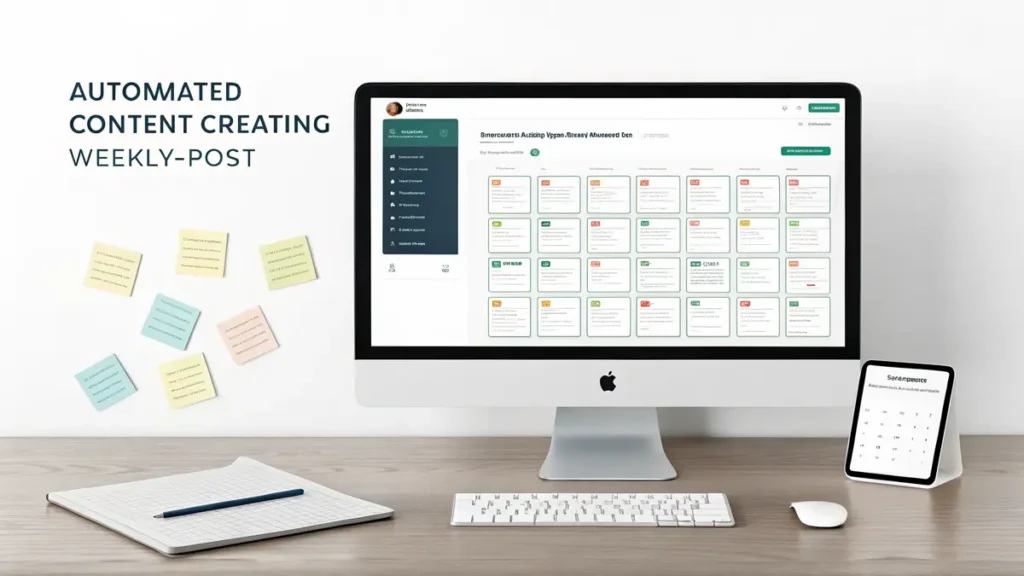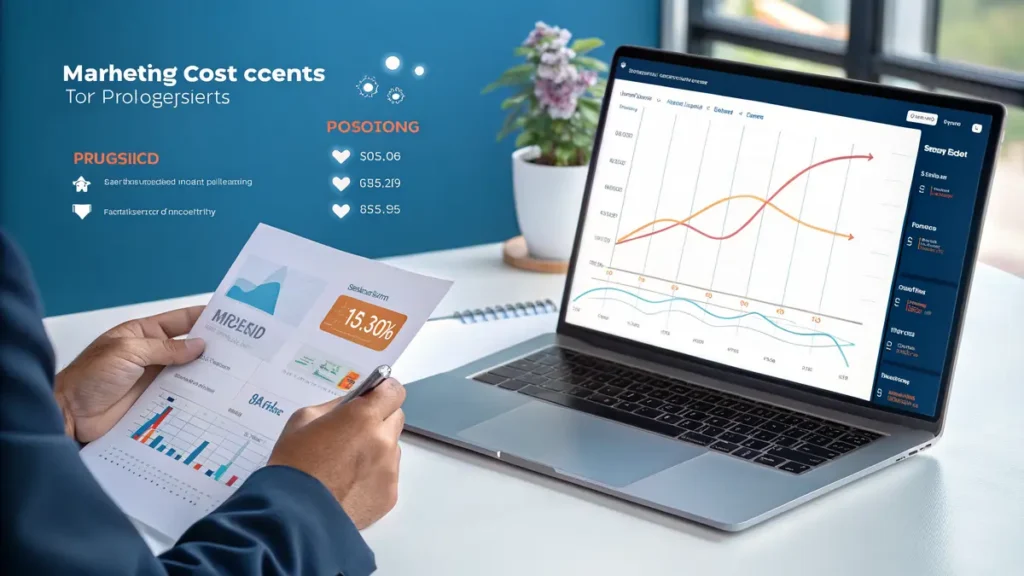

A marketing automation system keeps you visible without daily effort by turning your content, publishing, and follow-up tasks into an automated marketing workflow. Instead of manually posting every day, social media automation helps your business stay active, consistent, and present across key platforms with far less hands-on work.
If your marketing only happens when you have spare time, your visibility will always be inconsistent. That is the core problem a marketing automation system solves. It removes the need to remember, create, format, and publish content every day just to keep your business active online.
For most businesses, the issue is not a lack of ideas. It is the constant effort required to turn those ideas into regular posts, updates, and content across multiple channels. A strong automated marketing workflow changes that. It gives you a repeatable system that keeps your business visible even when your attention is on sales, delivery, hiring, or operations.
Why visibility breaks when your marketing depends on daily manual effort
Manual marketing usually starts with good intentions. You plan to post a few times a week, share updates, and stay active. Then real business takes over. Client work, admin, team issues, and deadlines push marketing to the bottom of the list.
The result is predictable. You post consistently for a short period, disappear for two weeks, come back with urgency, then disappear again. From the outside, that inconsistency makes your business look less active than it really is. It also weakens trust. People often assume that the brands they see regularly are more established, more reliable, and more relevant.
This is why visibility is not just about quality. It is also about continuity. If your marketing depends on your daily energy, memory, and availability, your presence will always be fragile.
A marketing system fixes the structural problem. Instead of asking, “Do I have time to market today?” you create a process that keeps moving whether or not you are personally available every day.
What a marketing automation system actually does
A marketing automation system is more than a scheduling tool. Scheduling is only one small part of the job. A real system supports the flow from idea to distribution so your business can stay visible without constant manual handling.
At a practical level, that system should help you do four things:
- Capture content input: take a simple idea, update, offer, product, or insight and turn it into usable marketing material.
- Adapt content for channels: format that message for different platforms rather than copying the same text everywhere.
- Publish consistently: maintain activity across social media and other visibility channels.
- Reduce execution friction: eliminate repetitive tasks that slow you down.
That is why businesses that adopt automation often feel immediate relief. They are no longer rebuilding their marketing process from scratch every day. They are running a system.
If you want to understand the mechanics behind that process, it helps to review how the system works when content moves from one idea into a repeatable publishing engine.
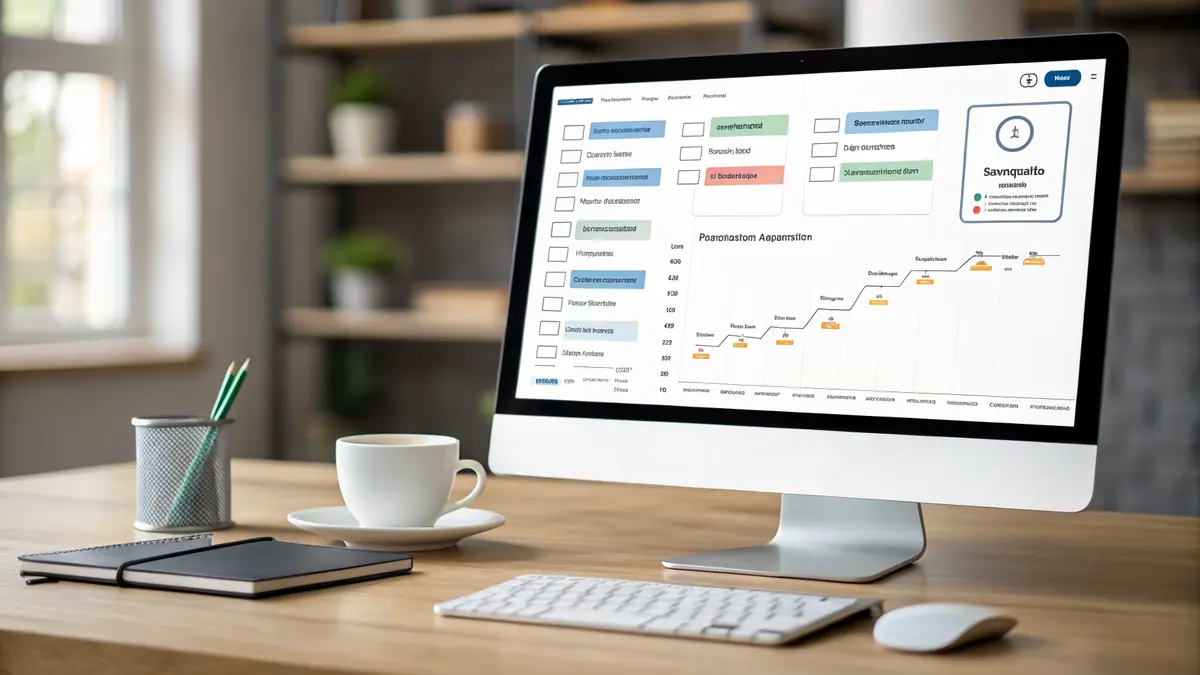
How an automated marketing workflow keeps you consistent
Consistency is where automation creates the biggest advantage. A strong automated marketing workflow removes the stop-start pattern that hurts most small businesses.
Instead of relying on bursts of motivation, the workflow creates a sequence. You provide the input once, and the system handles the next steps. That may include writing variations, assigning platform formats, publishing on schedule, and maintaining momentum over time.
This matters because consistent visibility compounds. When your business appears regularly, you stay familiar. When you stay familiar, you are more likely to be remembered. When you are remembered, you are more likely to be considered when someone is ready to buy.
That compounding effect is hard to achieve manually. It becomes much easier when your process is built to keep moving in the background.
For example, one content idea can become a short-form post, a professional update, a local business update, and a supporting blog asset. You are not creating from zero each time. You are extending one message through a system designed for repetition and reach.
This is also why automation saves more than time. It protects your momentum. Missing a few days of posting may not feel serious, but repeated gaps reduce your overall visibility and make your marketing less reliable.
Where social media automation makes the biggest difference
Social media automation is especially valuable when your business needs to show up in multiple places but you do not have the capacity to manage each platform manually.
Most businesses are not struggling because they lack access to platforms. They are struggling because each platform asks for slightly different formatting, tone, timing, and consistency. That creates friction. Friction leads to delay, and delay leads to silence.
Good social media automation reduces that friction. It helps your message appear across channels in a way that feels intentional rather than duplicated. That is a major difference. Blind cross-posting can make your brand look lazy. Smart automation preserves the core message while adapting it for the platform.
It also helps solve a common visibility problem: your audience is not all in one place. Some people notice your business on Instagram. Others see you on LinkedIn, Facebook, X, Pinterest, or Google Business Profile. If you only post when you have time, you usually end up favoring one channel and neglecting the rest.
Automation makes multi-platform visibility sustainable. That broader presence can be especially useful if local discovery matters to your business. In that case, your Google Business Profile visibility should support your social activity rather than sit untouched.
What to look for in a system that actually saves you time
Not every automation setup will reduce your workload in a meaningful way. Some tools still leave you doing most of the thinking, formatting, and managing. If that happens, you have not removed the bottleneck. You have only changed where the bottleneck lives.
A useful system should make your marketing lighter in real terms. Look for these qualities:
- Simple input: you should be able to submit one idea, not build every asset from scratch.
- Channel adaptation: the system should account for platform differences.
- Repeatability: it should keep working week after week, not just during setup.
- Coverage beyond social: if search visibility matters, blog and profile updates should be part of the workflow.
- Low maintenance: the system should not create a new daily management job for you.
In other words, the best system does not just help you post. It helps you stay present. That is a much more valuable outcome than simply filling a content calendar.
If you are comparing options, reviewing available marketing automation packages can help you see whether a solution is built for occasional support or true ongoing visibility.
How to move from manual posting to a repeatable system
You do not need to overhaul your entire marketing operation overnight. The easiest shift is to stop treating every post as a separate task and start treating marketing as a workflow.
Begin by identifying your repeatable content sources. These may include customer questions, offers, product updates, service highlights, behind-the-scenes moments, testimonials, or educational insights. Then build a process that turns those inputs into recurring output.
Your role becomes simpler. You provide the spark. The system handles the structure, distribution, and consistency. That is the real value of automation. It does not remove your voice. It removes the manual bottleneck that keeps your voice from showing up regularly.
For businesses that want a more complete setup, this can also extend beyond social posting into blog publishing and search visibility. The goal is not to do more marketing tasks. The goal is to make your visibility dependable.
That is where a service-based system can be useful. SynqBrand, for example, is built around installing an autonomous marketing infrastructure so your business can stay active across platforms without depending on daily manual effort. If you want to explore that kind of setup, you can get started or review the process before deciding.
When your marketing no longer depends on whether you remembered to post today, your business becomes easier to notice, easier to trust, and easier to remember. That is what a marketing automation system is really for: not replacing your business, but keeping it visible while you run it.
TL;DR
A marketing automation system keeps your business visible by turning scattered marketing tasks into a repeatable process. Instead of relying on daily posting, you use an automated marketing workflow to plan, adapt, publish, and maintain content across channels. The result is more consistency, less manual effort, and stronger digital visibility over time.
- A marketing automation system reduces the risk of going silent when business gets busy.
- An automated marketing workflow creates consistency without requiring daily attention.
- Social media automation works best when it adapts content for each platform instead of duplicating the same post everywhere.
- The right system supports visibility across social media, blogs, and Google Business Profile.
- You still provide direction, but the system removes the manual bottleneck.
Can a marketing automation system replace all of my marketing work?
No. You still need strategy, business direction, and occasional input. The system handles the repetitive execution so your marketing stays active without constant manual effort.
Is social media automation bad for engagement?
Not when it is done well. Poor automation looks generic and repetitive. Effective social media automation adapts content to each platform and maintains a consistent presence that supports trust.
What is the difference between a marketing automation system and scheduling posts?
Basic scheduling only publishes prewritten posts. A marketing automation system supports the full workflow, including content adaptation, timing, cross-platform distribution, and ongoing consistency.
Does this only work for large companies?
No. Small businesses often benefit the most because they usually have the least time for daily marketing but still need to stay visible.
How long does it take to see results from an automated marketing workflow?
You may notice time savings immediately, but visibility gains usually build over weeks and months as your business stays consistently active across channels.