
Social media automation is the easiest way to turn one idea into posts across every platform because it lets you start with one core message, then automatically adapt it into platform-specific content for Instagram, LinkedIn, Facebook, X, Pinterest, and Google Business Profile without creating each post from scratch.
If you are trying to post on every platform manually, the real problem usually is not creativity. It is volume. You have one useful idea, but turning that idea into six or seven different posts feels like six or seven separate jobs.
The easiest solution is social media automation built around a simple principle: one idea in, multiple platform-specific posts out. Instead of writing everything from scratch, you create one core message and run it through a repeatable system that reshapes it for each channel. That is how you stay visible without spending your week inside a content calendar.
Why posting everywhere feels so hard
Most businesses do not struggle because they have nothing to say. They struggle because every platform seems to ask for a different version of the same idea.
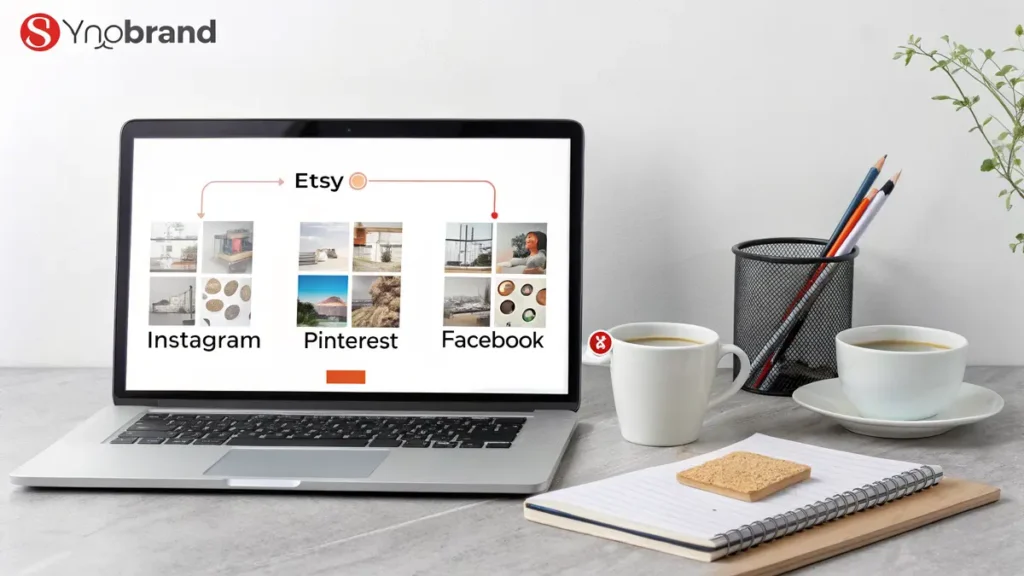
LinkedIn wants a clearer professional angle. Instagram needs a tighter hook and visual framing. Facebook often performs better with a conversational tone. X rewards brevity. Pinterest needs search-friendly phrasing. Google Business Profile updates should be concise and local-business relevant.
When you treat each platform as a blank page, content creation becomes heavy, slow, and inconsistent. That is why so many businesses disappear for weeks at a time. The issue is not a lack of ideas. It is the manual marketing bottleneck.
Once you understand that, the goal changes. You stop asking, “How do I create more content?” and start asking, “How do I get more mileage from each idea?”
What social media automation actually means
Many people hear automation and assume it means blasting the exact same caption everywhere. That is not the kind of system that works well.
Effective content automation for business means creating a structured process that does three things:
- Captures one core idea clearly
- Translates that idea into formats that fit each platform
- Publishes consistently without requiring manual rewriting every time
So if your original idea is “three mistakes customers make before hiring a contractor,” automation should not duplicate one caption across every channel. It should generate a LinkedIn thought post, an Instagram carousel concept, a Facebook post, an X thread-style version, a Pinterest pin description, and possibly a Google Business Profile update with a local trust angle.
That is the difference between lazy duplication and useful automated content creation. The first saves time but weakens results. The second saves time while preserving relevance.
The one-idea-to-many-posts workflow
The easiest workflow is also the most repeatable. You do not need a complicated content machine to start. You need a reliable sequence.
Step 1: Start with one clear idea.
You only need a single useful point. A customer question, a common mistake, a quick tip, a behind-the-scenes lesson, or a short opinion can work.
Step 2: Define the core message.
Before anything gets adapted, identify the takeaway in one sentence. If the message is unclear here, every platform version will feel weak.
Step 3: Choose the platform angles.
Ask how the same message should show up on each channel. On LinkedIn it may be educational. On Instagram it may be visual and punchy. On Google Business Profile it may be credibility-focused.
Step 4: Generate platform-specific versions.
This is where the real leverage happens. One source idea becomes multiple outputs, each shaped for the platform rather than copied into it.
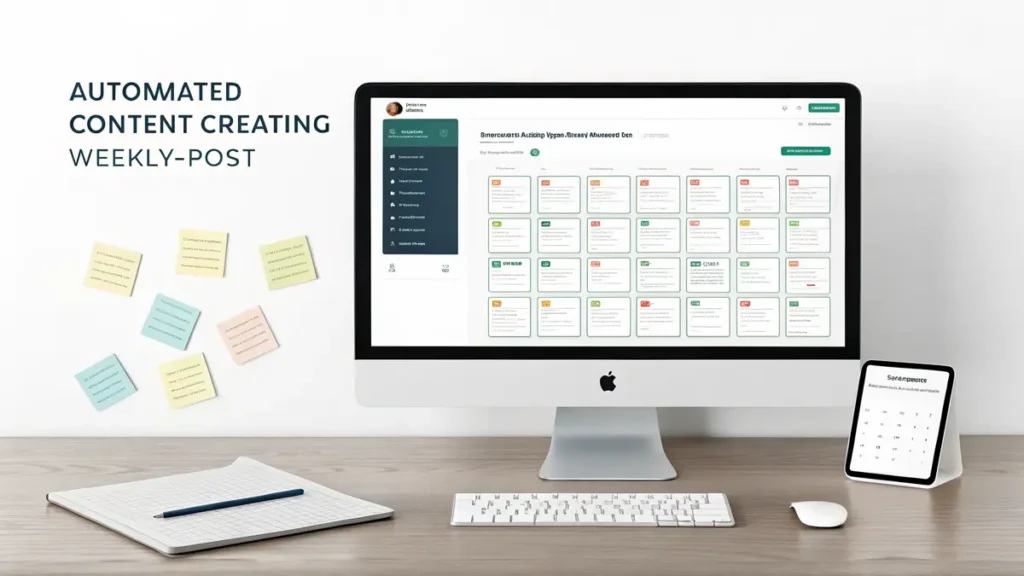
Step 5: Schedule or publish automatically.
Once the posts are approved, the system should handle distribution. That removes the need to log into every platform one by one.
Step 6: Repeat from a simple input process.
The best workflows are easy to trigger. If you need a full production meeting every time you have an idea, the system will break.
This is why many businesses benefit from a guided workflow rather than trying to build everything manually. If you want to see a practical example of that structure, you can review how the system works.
How to adapt one message for each platform
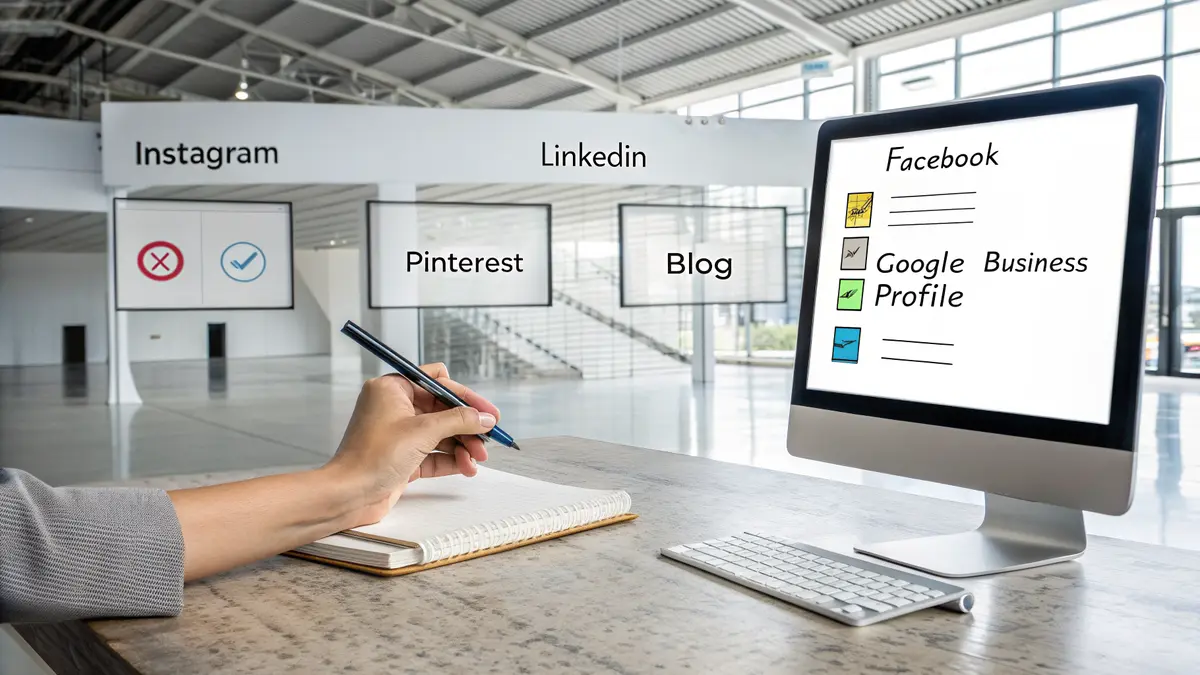
The easiest way to think about adaptation is this: keep the message, change the packaging.
Here is what that often looks like in practice:
- Instagram: Lead with a strong hook, keep the text tight, and support it with a visual or carousel concept.
- LinkedIn: Expand the lesson slightly, add context, and make it feel experience-based.
- Facebook: Use a conversational tone and make the post easy to skim.
- X: Reduce the idea to its sharpest insight or break it into a short thread.
- Pinterest: Frame the idea around search intent and clear benefit-driven wording.
- Google Business Profile: Keep it short, relevant, and tied to trust, service, or updates customers care about.
The point is not to become a different brand on each platform. The point is to meet people in the style they already expect there.
This is where many businesses lose momentum. They either overcomplicate adaptation or skip it entirely. A good automation system handles this translation layer for you so your content stays consistent without feeling repetitive.
If local search visibility matters to your business, it also helps to include channels beyond social. For example, Google Business Profile automation can turn the same core idea into another visibility asset instead of leaving it trapped in social alone.
What to prepare before you automate
Automation works best when the inputs are clean. You do not need a huge strategy document, but you do need a few basics in place.
1. Your brand voice
Decide how your business should sound. Clear, direct, friendly, premium, practical, bold, or educational are all valid, but the system needs direction.
2. Your service or offer categories
If your business has multiple offers, group them into clear themes. This helps the content stay aligned with what you actually sell.
3. Your audience pain points
Know the recurring problems your customers bring to you. These become the raw material for strong source ideas.
4. Your preferred call to action
Not every post needs a hard sell, but your content should know what kind of next step makes sense: message you, visit your site, book, browse, or learn more.
5. A simple submission method
This is the most overlooked part. The easier it is to submit one idea, the more often you will actually do it. A short form or lightweight intake process is usually better than a complex planning system.
Without these basics, automation can feel generic. With them, it becomes a force multiplier.
The fastest way to make this repeatable
If your goal is consistency, do not build your process around motivation. Build it around a system you can use even on busy weeks.
The fastest repeatable model looks like this:
- You capture one idea in under five minutes
- The idea gets translated into platform-ready content
- The posts are distributed automatically
- The workflow repeats every week without starting from zero
That is what makes social media automation valuable. It is not just posting faster. It is removing the friction that causes silence.
For many small businesses, this is the difference between random bursts of activity and steady digital visibility. And if you want help implementing that kind of system instead of patching together tools on your own, you can explore SynqBrand’s automation packages or get started with a setup that fits your stage of growth.
The easiest way to turn one idea into posts across every platform is not to work harder. It is to stop recreating the same message over and over. Start with one useful idea, adapt it properly, automate the distribution, and let consistency come from structure instead of effort.
TL;DR
If you are creating separate content from scratch for every platform, you are wasting time. The easiest form of social media automation starts with one strong idea, then adapts it into platform-specific posts for channels like Instagram, LinkedIn, Facebook, X, Pinterest, and Google Business Profile. The key is not copying the same caption everywhere. It is using one core message, changing the format, hook, and call to action for each platform, and running that process through a repeatable system.
- Start with one useful idea, not six different content tasks.
- Social media automation works best when it adapts content instead of duplicating it.
- Each platform needs the same message in a different format and tone.
- A repeatable intake form or workflow removes the manual marketing bottleneck.
- Consistency comes from systems, not motivation.
Can you use the same post on every platform?
You can use the same core idea, but the post itself should be adapted. Each platform rewards different formats, lengths, and styles, so direct copy-paste usually underperforms.
What is the easiest way to automate content creation for business?
The easiest way is to create one source idea, define your brand voice and offers, and use a system that transforms that input into platform-specific posts automatically.
Does social media automation make content feel robotic?
Not if the system is built correctly. Good automation keeps your message consistent while adjusting tone, structure, and format for each platform.
How often should you create one core idea?
That depends on your business, but even one strong idea per week can become multiple posts when your workflow is structured well.
Is social media automation only for large businesses?
No. It is often more valuable for small businesses because it removes the time burden of manual posting and helps maintain visibility with fewer internal resources.